
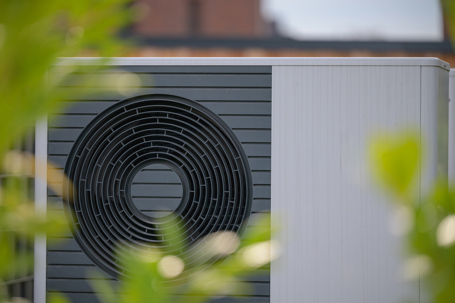
As winter winds sweep across the Albemarle Sound, Point Harbor homeowners rely heavily on their heating systems to stay cozy. Because our coastal climate brings a unique mix of freezing temperatures, dense fog, and high humidity, your heat pump faces demanding operational conditions. While these systems are incredibly efficient, the damp coastal air makes them highly susceptible to frosting over when the temperature drops. Understanding how to manage your heat pump during a cold snap is essential for maintaining consistent indoor warmth and avoiding unexpected emergency repairs.
With a little proactive care, you can ensure your system handles the local winter moisture smoothly without locking up or losing heating capacity.
How to Safeguard Your Coastal Heating System From Ice Build Up
A frost-covered outdoor unit can quickly turn into a solid block of ice if left unchecked, causing your system to work overtime or shut down completely.
1. Understand Normal Defrost Cycles Versus Failure
It is completely normal for a thin layer of frost to form on your outdoor coils during cold, damp mornings in Point Harbor. Your system is designed to automatically trigger a defrost cycle, temporarily reversing the operation to heat the outdoor coils and melt the ice. However, if the unit remains encased in thick, solid ice for hours, or if the fan blade is trapped by ice, your system has likely experienced a component failure that requires immediate attention.
2. Maintain Clear Airflow Around the Outdoor Unit
Your system requires maximum airflow to absorb ambient heat and keep the coils clear. Ensure that winter debris, fallen leaves, and windblown sand are cleared away from all sides of the outdoor equipment. Additionally, keep local coastal shrubbery trimmed back by at least 2 feet to prevent stagnant, moisture-laden air from pooling around the unit.
3. Check for Gutters and Roof Runoff Issues
One of the most common causes of severely frozen outdoor units in our area is water dripping from above. Inspect your roofline and gutters to ensure that melting rain or sleet isn't pouring directly onto the top of your equipment. When freezing water constantly drips onto a running unit, it bypasses the standard defrost cycle, creating an unmanageable sheet of solid ice that chokes the system.
4. Elevate the Unit Above Standing Water
Point Harbor’s low-lying terrain and damp winter soil can cause water to pool around concrete equipment pads. If your outdoor unit sits directly on the ground where moisture accumulates, it is much more likely to freeze from the bottom up. Elevating the equipment on heavy-duty snow feet or a secure riser platform allows melting ice to drain away freely and keeps the base clear of standing water.
5. Do Not Try to Hack the Ice Away manually
If you find your system encased in a thick layer of ice, never use a sharp object like a shovel, ice pick, or screwdriver to chip it off. The aluminum fins and copper refrigerant lines inside are incredibly fragile, and a single slip can puncture a coil, leading to an expensive replacement. Instead, turn the system to "emergency heat" or "auxiliary heat" to warm your home while keeping the outdoor unit off, then call for professional assistance.
If your system is struggling with the damp coastal cold or needs a specialized winter inspection, the experienced team at Delta T Heating & Air is ready to help. Contact our family-owned crew today at (252) 418-2914 to ensure your home stays reliably warm all season long.